What Is Cumin Spice?
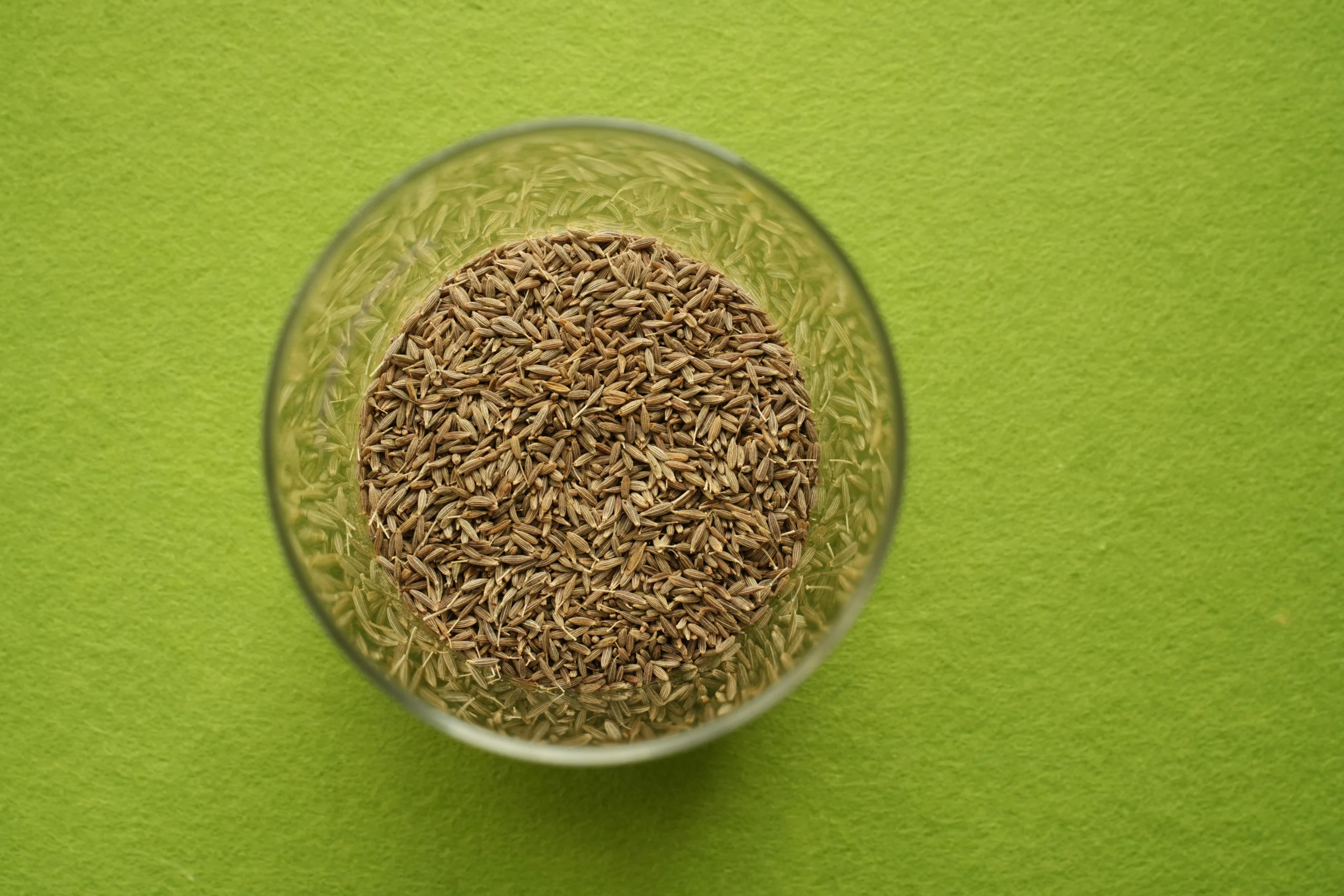
Cumin spice is derived from the dried seeds of the Cuminum cyminum plant. Native to the Mediterranean region and widely cultivated in India, Iran, and North Africa, cumin seeds are used whole or ground in spice blends, marinades, and everyday cooking. Its unique flavor profile makes it indispensable in traditional dishes like garam masala, chili powder, and Middle Eastern spice mixes.
Why Cumin Is So Valuable Worldwide
Despite its small size, cumin holds significant value in global markets. Why cumin is so valuable worldwide comes down to several factors:
- Distinctive flavor and aroma that enhances many cuisines
- Nutritional and health benefits, including digestive support
- Integral ingredient in popular spice blends
- High demand in both retail and industrial food sectors
Countries with large Indian, Middle Eastern, and Latin communities are among the top consumers, keeping global demand consistently strong.
Key Factors Affecting Cumin Spice Price
Several elements influence key factors affecting cumin spice price:
- Crop Yield and Weather: Heavy rains or drought can reduce harvests.
- Production Costs: Labor, transportation, and processing add to final pricing.
- Quality and Grade: Premium, uniform seeds command higher rates.
- Pest and Disease Impact: Crop damage can limit supply.
- Global Demand: Shifts in international consumption can push prices up or down.
Understanding these factors helps buyers anticipate price changes and make smart purchases.
Cumin Spice Price Trends in Major Producing Countries
The cumin spice price trends in major producing countries like India, Iran, and Turkey vary due to local yield, export policies, and weather conditions:
- India: Large domestic consumption keeps local prices competitive, but export demand can push wholesale prices up.
- Iran: As one of the biggest exporters, political and logistical issues can affect pricing volatility.
- Turkey & North Africa: Smaller production volumes can cause price fluctuations based on seasonal output.
Market reports often show how crop forecasts, import-export tariffs, and currency rates affect prices year-over-year.
Wholesale vs Retail Cumin Spice Price
When comparing wholesale vs retail cumin spice price, wholesale rates are significantly lower per kilogram, especially for bulk buyers. Here’s how the two differ:
- Wholesale Prices: Lower cost/kilogram, ideal for restaurants, spice shops, and exporters.
- Retail Prices: Higher due to packaging, branding, and distribution expenses.
Wholesale buying makes sense for large families and businesses that use cumin frequently, while retail might suit occasional users.
Organic vs Conventional Cumin Spice Price
Another pricing consideration is organic vs conventional cumin spice price. Organic cumin, grown without synthetic pesticides or fertilizers, attracts a premium due to:
- Higher labor and certification costs
- Limited organic acreage and supply
- Increased global demand for clean-label spices
While conventional cumin may cost less, organic cumin offers benefits in purity and eco-friendliness that justify its higher price point.
Seasonal Impact on Cumin Spice Price
Spices are agricultural products, and their prices are influenced by seasons. The seasonal impact on cumin spice price typically follows:
- Harvest Season: Prices may dip slightly when fresh harvests enter the market.
- Off-Season: Lower availability can push prices higher.
- Monsoon or drought years: Reduced yield causes price spikes.
Timing your purchase around crop reports and harvest cycles can help secure better deals.
How to Buy Cumin at the Best Price
Here are practical tips on how to buy cumin at the best price:
1. Buy in Bulk
Wholesale purchases reduce the unit price—especially useful for restaurants and retailers.
2. Compare Multiple Suppliers
Don’t settle on the first quote—compare prices from trusted vendors.
3. Check Quality Grades
Uniform, clean seeds might cost more but give better flavor and longer shelf life.
4. Shop Online
Trusted spice suppliers often offer competitive pricing and doorstep delivery.
5. Time Your Purchase
Buy soon after harvest when supply is highest and prices tend to be more favorable.
Conclusion
Cumin’s global popularity and unique flavor make it a staple spice across cultures. From understanding what cumin spice is to tracking price trends in major producing countries and comparing wholesale vs retail or organic vs conventional prices, informed buyers can get the best value. Whether you’re a home cook or a bulk buyer, knowing how to buy cumin at the best price ensures quality without unnecessary cost.