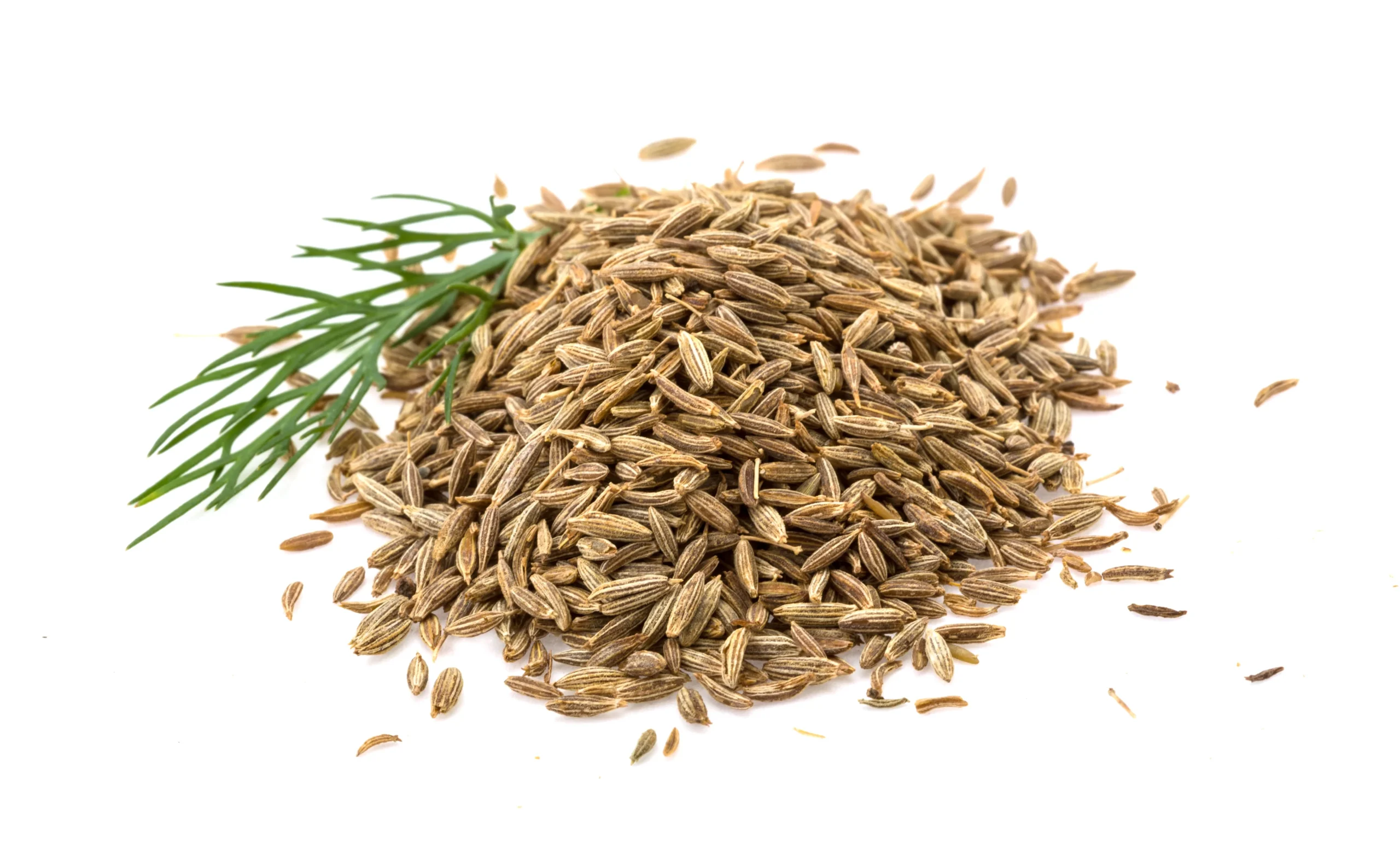
Cumin seeds are one of the most widely used spices in Indian kitchens and global cuisines. Known for their earthy aroma and warm flavor, cumin seeds play a key role in seasoning, spice blends, and traditional remedies. While cumin is mainly cultivated in northern and western parts of India, Kerala continues to be a major trading and distribution center for spices. This guide explores cumin seeds from a wholesale perspective, covering varieties, quality, processing, and market potential.
Kerala as a Spice Hub
Although cumin cultivation is concentrated in states like Gujarat and Rajasthan, Kerala as a spice hub plays an important role in spice trading, packaging, and export. With well-established logistics, quality processing facilities, and access to global markets through ports like Kochi, Kerala serves as a major center where cumin and other spices are sorted, packed, and distributed for both domestic and international buyers.
Types of Cumin Seeds
There are different types of cumin seeds available in the market, each with slight differences in size, color, and aroma:
- Whole Cumin Seeds: The most common form used in cooking and spice blends
- Ground Cumin: Powdered cumin form used for seasoning and marinades
- Black Cumin (Shahi Jeera): Black Cumin is Smaller, darker seeds with a milder and sweeter flavor
Each type is chosen based on culinary preference and application.
Indian Cumin Varieties
India is the largest producer of cumin, and several Indian cumin varieties are known for their quality:
- Gujarat Cumin: Popular for its strong aroma and high oil content
- Rajasthan Cumin: Slightly smaller seeds but rich in flavor
- Shahi Jeera: Premium variety used in biryanis and special dishes
These varieties are widely traded through Kerala’s wholesale spice networks.
Cultivation Process
The cultivation process of cumin begins during the winter season in dry, well-drained soils. Farmers sow seeds between October and November, and harvesting usually takes place between February and March. The crop requires moderate temperatures and minimal rainfall, making arid regions ideal for production. Proper harvesting at the right maturity stage ensures better flavor and oil content.
Processing & Storage
After harvest, cumin seeds undergo careful processing & storage to maintain quality:
- Cleaning to remove dust and impurities
- Sun drying to reduce moisture content
- Sorting and grading based on size and color
- Packaging in airtight bags to preserve aroma
Proper storage in cool, dry environments prevents fungal growth and helps retain freshness for longer periods.
Quality Standards
Maintaining high quality standards is essential in wholesale cumin trade. Premium cumin seeds are typically judged based on:
- Uniform size and color
- Strong natural aroma
- Low moisture content
- Clean, impurity-free appearance
Certified processing units ensure that cumin meets food safety regulations and export requirements.
Health Benefits
Cumin seeds are valued not only for flavor but also for their health benefits:
- Supports digestion and reduces bloating
- Rich in antioxidants
- Helps regulate blood sugar levels
- Aids in improving metabolism
- Contains iron that supports energy levels
These benefits make cumin a staple in both daily cooking and traditional wellness practices.
Culinary Uses
The culinary uses of cumin are diverse and widespread:
- Tempering dals, curries, and vegetables
- Preparing spice blends like garam masala and curry powders
- Flavoring rice dishes and biryanis
- Seasoning snacks, chutneys, and pickles
Both whole and ground cumin are essential in Indian, Middle Eastern, and Mexican cuisines.
Export Opportunities
Cumin holds strong export opportunities due to global demand. Countries in the Middle East, Europe, and North America import Indian cumin in large quantities for food processing and retail markets. Kerala’s strategic location and established export networks make it a convenient hub for sourcing, packaging, and shipping cumin seeds worldwide.
Conclusion
Cumin seeds remain one of the most valuable spices in India’s agricultural and trade sectors. While cultivation happens mainly in western states, Kerala as a spice hub plays a crucial role in wholesale distribution and export. With proper processing, quality control, and growing international demand, cumin continues to be a key spice in global kitchens. For buyers looking for reliable sourcing, Kerala’s wholesale spice networks provide access to premium cumin varieties with consistent quality and competitive pricing.