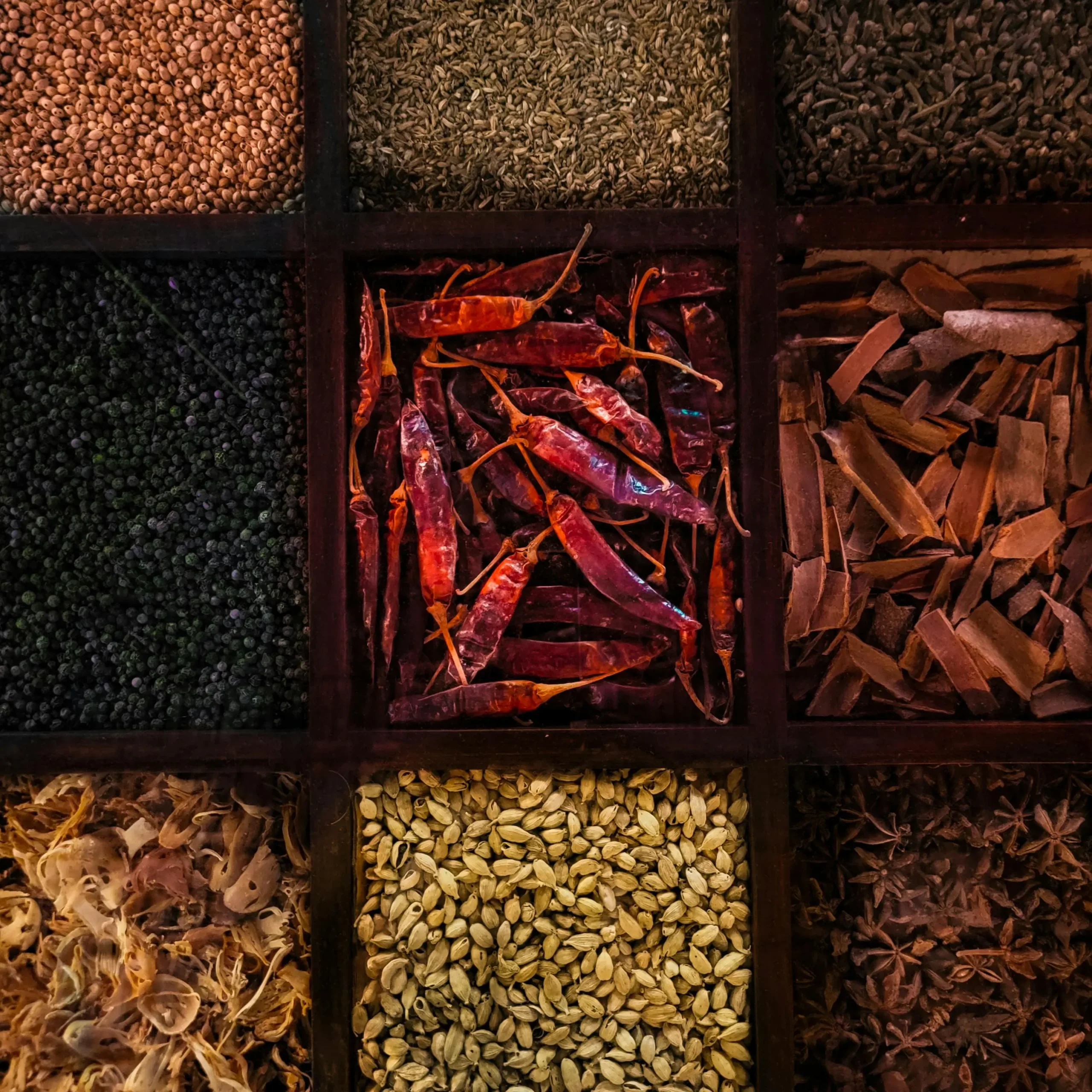
Indian cuisine is famous worldwide for its bold flavors and layered use of spices. Spiciness in Indian food is not just about heat—it’s about balance, aroma, and depth. This complete guide explores spicy Indian spices, how they are used, and how to enjoy their flavor without overpowering your dish.
Understanding Spice in Indian Cooking
Understanding spice in Indian cooking means recognizing that spices serve multiple purposes. They add heat, enhance aroma, aid digestion, and preserve food. Indian recipes rarely rely on a single spice; instead, they combine several to create harmony. A well-spiced dish should feel warming and flavorful, not overwhelmingly hot.
Heat vs Flavor: The Indian Spice Philosophy
One of the most important concepts is heat vs flavor.
- Heat comes mainly from chilies and pepper.
- Flavor comes from aromatic spices like cloves, cinnamon, and cardamom.
Indian cooking carefully balances both. Excess heat without flavor is avoided, and aromatic spices are often roasted or tempered to release their oils and soften sharpness.
Red Chili Peppers
Red chili peppers are the primary source of heat in Indian cooking. Used whole, crushed, or powdered, they add color and spice to curries, gravies, and marinades. Different varieties offer different heat levels—Kashmiri chilies, for example, add vibrant color with mild heat, while other varieties bring intense spice.
Black Pepper
Before chilies arrived in India, black pepper was the main heat source. It provides a sharp, lingering warmth rather than instant burn. Widely used in South Indian dishes, pepper rasam, and meat preparations, black pepper adds both spice and depth.
Ginger
Ginger contributes a fresh, warming heat and is a foundational ingredient in Indian cooking. Used fresh, dried, or powdered, ginger balances rich gravies and enhances digestion. Its heat is mild but persistent, making it ideal for daily cooking.
Mustard Seeds
Mustard seeds add a pungent, sharp heat when tempered in hot oil. Common in South Indian and Bengali cooking, they release a nutty aroma and subtle spice that forms the base of many curries, vegetable dishes, and chutneys.
Garlic
Though not traditionally considered a “spicy” spice, garlic adds a strong, savory heat when sautéed or roasted. It deepens flavor and enhances the effect of chilies and pepper, making dishes richer and more satisfying.
Cloves
Cloves bring an intense, warm spiciness with a slightly sweet undertone. Used whole in biryanis, curries, and garam masala, cloves add aromatic heat rather than sharp burn. A small amount goes a long way.
Cinnamon
Cinnamon provides gentle warmth and sweetness. It balances spicy dishes by softening heat and adding complexity. In Indian cooking, cinnamon is commonly used whole in rice dishes, meat curries, and spice blends.
Cardamom
Cardamom adds aromatic warmth rather than heat. Green cardamom offers sweet, floral notes, while black cardamom provides smoky intensity. Both are key to balancing spicy gravies and rich meat dishes.
Garam Masala
Garam masala is a classic Indian spice blend that literally means “warming spices.” It typically contains cloves, cinnamon, cardamom, pepper, and cumin. Added toward the end of cooking, it enhances aroma and warmth without increasing sharp heat.
Health Benefits of Spicy Indian Spices
The health benefits of spicy Indian spices go beyond flavor:
- Improve digestion and metabolism
- Boost immunity with
- Reduce inflammation
- Support heart health
- Act as natural antioxidants
Spices like ginger, garlic, black pepper, and cloves have been used in Ayurveda for centuries for their medicinal properties.
Tips to Use Spicy Indian Spices Correctly
To get the best results, follow these tips to use spicy Indian spices correctly:
- Start with small quantities; you can always add more
- Roast whole spices lightly to enhance aroma
- Balance heat with dairy, coconut, or acidity (like tamarind or tomato)
- Use fresh, high-quality spices for better flavor with less heat
- Add garam masala at the end to preserve aroma
Proper use ensures your dishes are flavorful, not overpowering.
Conclusion
Spicy Indian spices are about warmth, complexity, and balance—not just heat. By understanding the role of each spice, from red chili peppers and black pepper to cloves, cinnamon, and garam masala, you can create dishes that are bold yet harmonious. With the right techniques, Indian spices transform everyday cooking into a rich and satisfying experience.